A compact factory in the Vallès Occidental
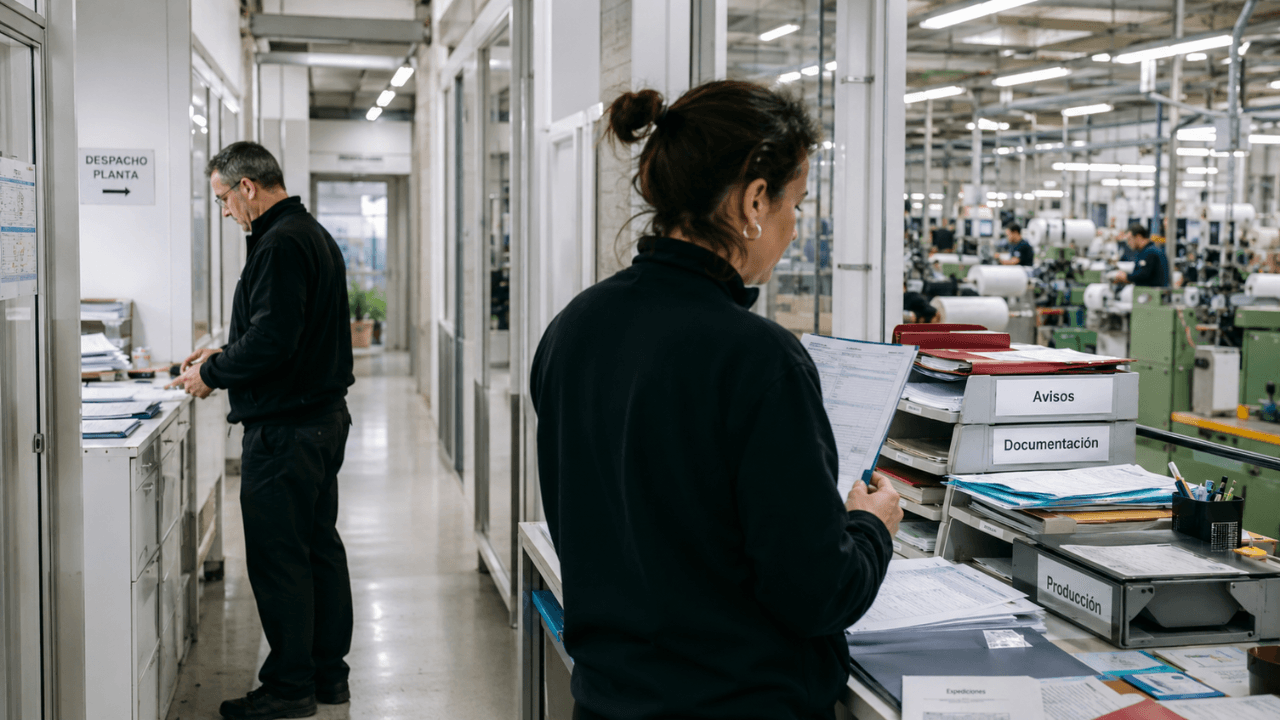
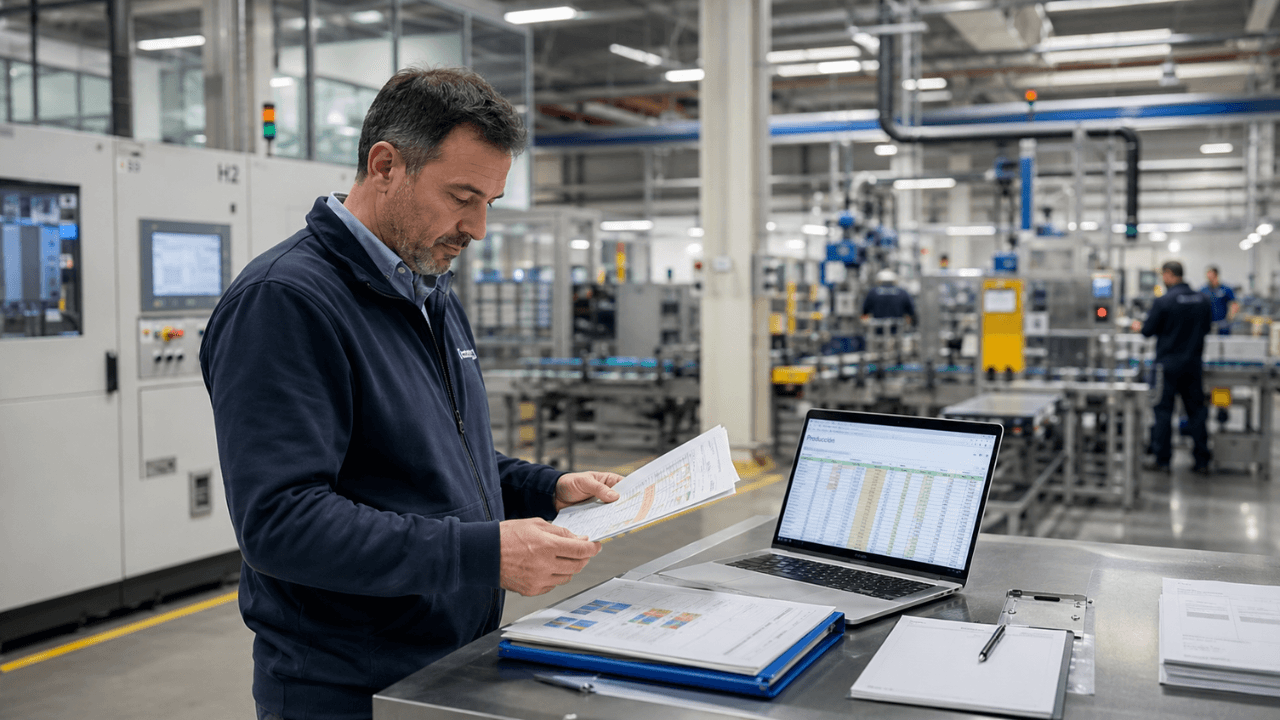
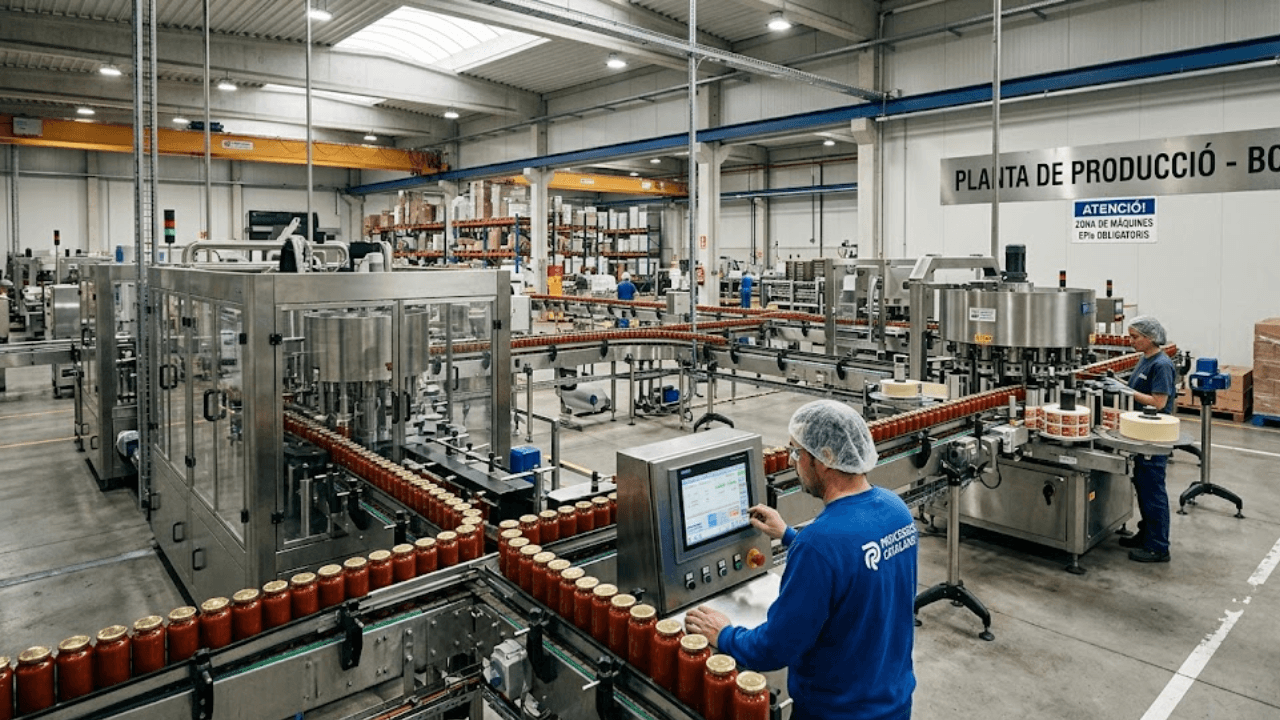
In the Vallès Occidental, a small factory with decades of experience in specialised manufacturing ran its work orders with methods that had barely evolved, despite more part numbers, more variants and stricter traceability demands from its customers. Each confirmed order generated a work order that circulated on different media: a printed document on the shop floor, a copy in an office folder, handwritten notes and, from time to time, an updated version sent by email that did not always reach everyone at the same time.
Being close together had hidden the lack of a reliable record for years. If there was any doubt about quantities or the sequence of operations, it was enough to ask the person next to you or to look at the supervisor's whiteboard. With more orders running at once, occasional subcontracting and people on different shifts, that informal method started to fail. What one person knew from a conversation was not guaranteed for whoever came in on the next shift.
The correct version of the order
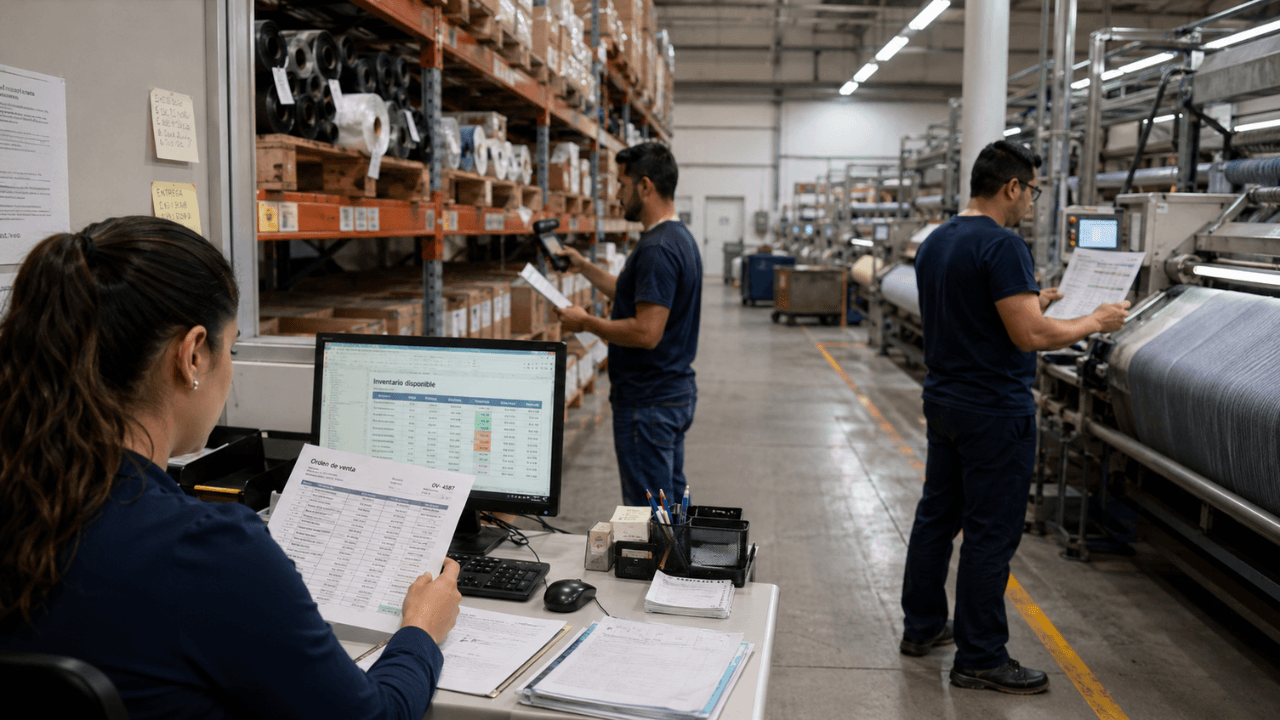
There was no single place to check the current status of each order (pending, in progress, held for material, finished, dispatched) or the history of changes that had altered it. The shop floor moved forward on static documents. Logistics reserved material against lists that might not match the latest agreed version. Administration promised lead times with no real-time view of progress in the workshop. In small factories, where each person covers several roles, that scatter multiplies the impact of a version error.
Instructions that lived off the paper
Work orders carried critical information outside the main document: notes from sales, agreements with the customer on finish or packaging, and earlier problems with the same part number. Some of that context lived in emails or in the memory of particular people. When those people were absent, the shop floor decided on incomplete information, or repeated mistakes already corrected on previous orders.
When the history sits in an email and on a whiteboard
There were cases of partial manufacture against an old version of the order while the customer was waiting for the revised quantity; incorrect material consumption that forced urgent purchases; and delayed dispatches because nobody had recorded, in a visible way, that the order was closed on the shop floor. Each incident took time from supervisors, logistics and administration to establish what had been agreed, when, and by whom.
Customers were asking for traceability evidence (which batch was used, which operations were carried out, which changes were authorised), and the factory found it hard to answer quickly. Rebuilding the history from papers, emails and scattered notes did not inspire the same confidence as a sequential digital record. Management concluded that the shop floor needed the same documentary rigour the company already required of its suppliers.
Orders with an identifier and a change log
A platform was put in place to bring work orders together in a single record, accessible from the office, from logistics and from the shop floor. Each confirmed order generates a work order with a unique identifier, a bill of materials, a sequence of operations and a status that is visible at all times. Changes are stored as revisions with an author, a date and a reason, so anyone looking at the order always sees the current version and can open the history.
Simple screens for a small workshop
On the shop floor, light terminals let the supervisor mark the start and end of operations, log incidents and confirm consumption, without relying on printed documents that go out of date at the first change. Logistics consults the same orders to reserve and prepare material. Administration has a tracking board so it can answer customers without interrupting the workshop. Simple screens, few clicks, and the workshop's own terminology.
Within a few weeks of stable use, the recurring question of which version was the right one disappeared. Logistics and the shop floor work from the same instruction, and administration reports lead times from real statuses. Rework caused by obsolete instructions fell sharply. Asked about a specific order, the factory can reconstruct what was made, with which materials, and which changes were authorised, without searching folders or rebuilding email threads under pressure.