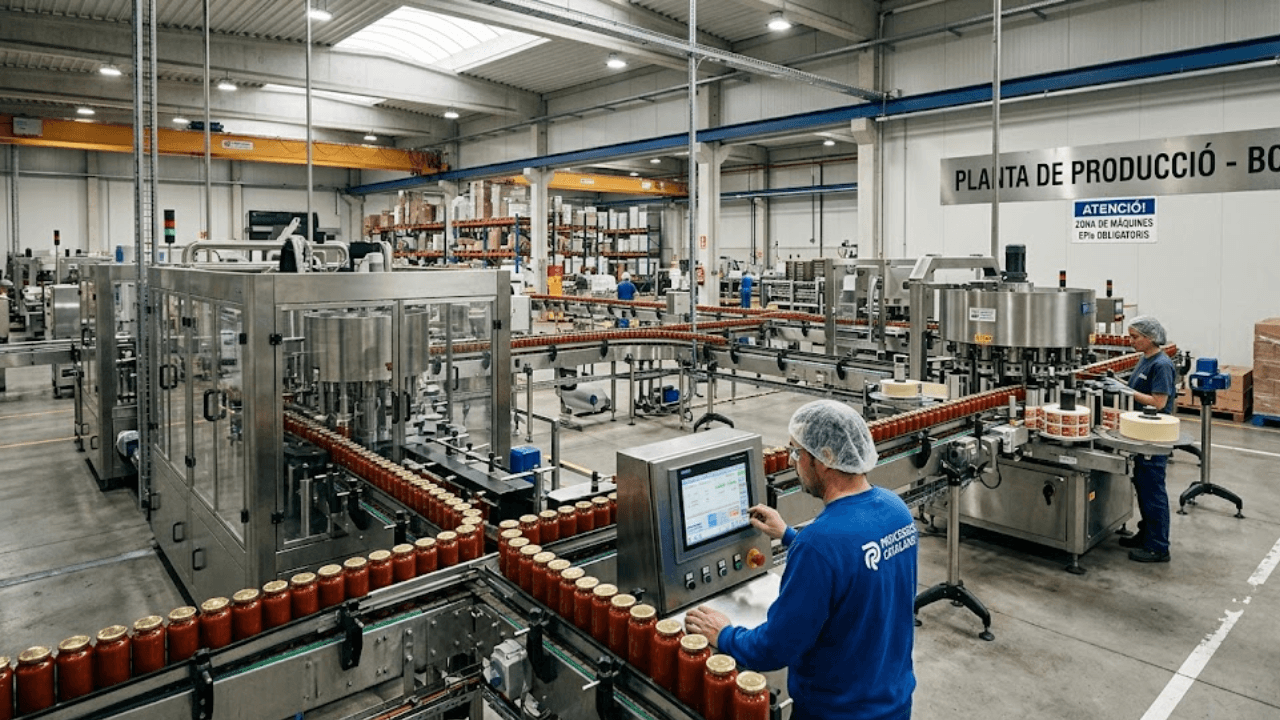
Metal components on an estate in the metropolitan area
The shop floor and the technical offices share a building, and accounts already sit in standard software. The heart of the workshop was split across four Excel files, each with its own logic. Management assumed Excel was cheap. They had not counted how many hours disappeared each week in keeping that simplicity going.
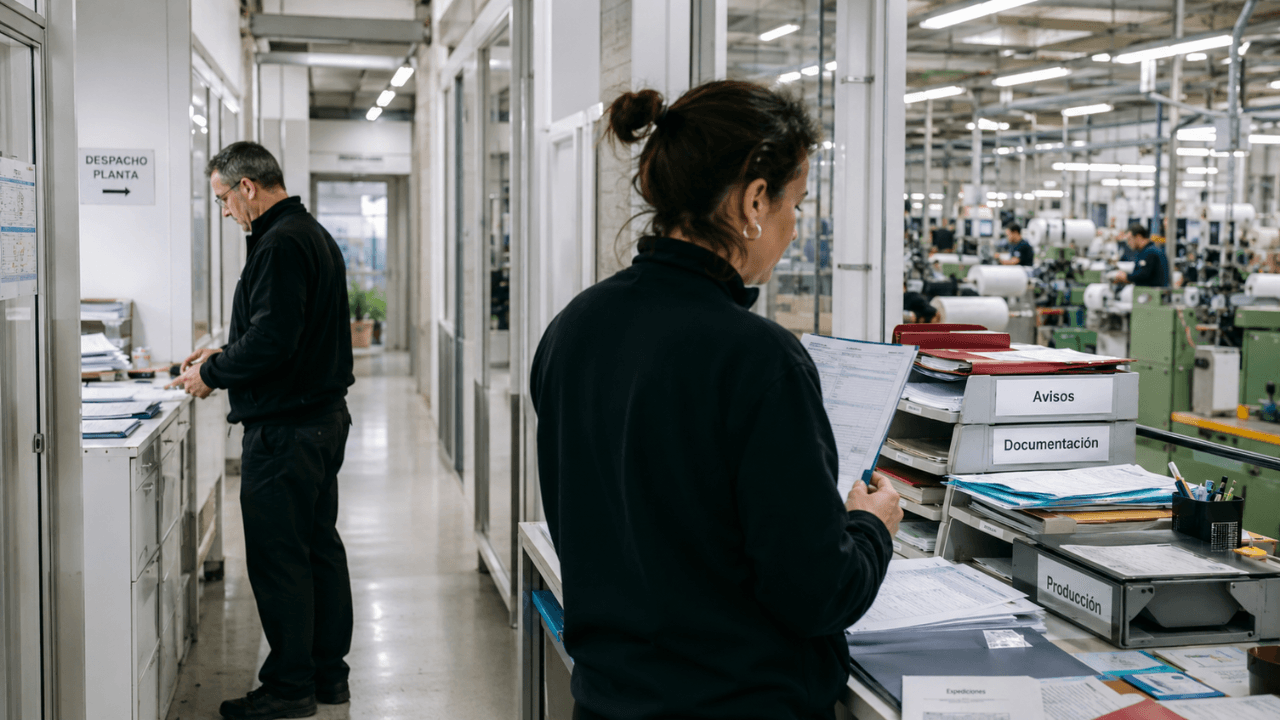
The workshop manager's file recorded queues by work centre. The planner's file projected weekly loads. A third file collected quality incidents. The fourth pulled progress together for administration and for customers. All four were updated with good intentions, but not always in the same order, and not always with the same rules for rounding times and partial statuses. A reliable picture of the backlog meant crossing several tabs by hand and ringing two managers.
Checking that the files agree, before anyone can plan
Each spreadsheet did a reasonable job on its own, and none of them owned the full life of a manufacturing order. A quantity change agreed with a customer could land on the sales list and take a day to appear in workshop planning. A part marked finished on the shop floor did not always trigger the matching change in the consolidation that administration used to raise delivery notes. Operators followed the instructions at their station. The design of the system forced the same data to be entered twice, and relied on each person's discipline to keep the files in step. In practice that produced parallel versions, protected cells that people unlocked for an urgent job, and macros that only one person knew how to repair when they failed.
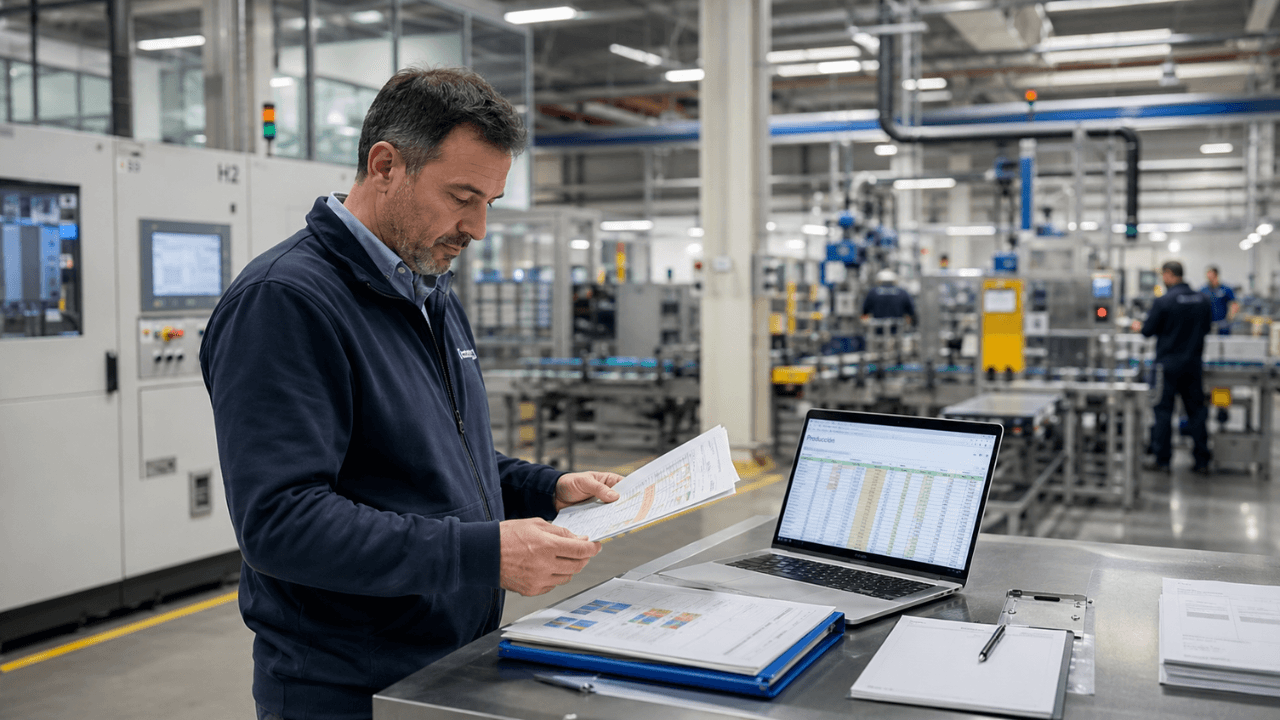
The plant manager spent a large part of the week checking that the files agreed, before any planning could start. Administration held back confirmations because it had to verify by hand which orders the workshop had closed. Skilled people were losing time to detective work, time that should have gone into timings, sequences and quality.
Dates promised on out-of-date figures
Sales suspected the shop floor was hiding delays. The shop floor replied that sales was selling lead times without asking about the real load. Neither side was lying outright. Each was looking at a different mirror.
Management looked at a full management system, but the cost and the timescale sat badly with the need to keep the plant running. What was missing was a reliable record of orders and statuses, not integrated accounts. To put indicative figures on the hidden cost of spreadsheets, you can try our Excel cost calculator.
Close the four files, open one flow
The approach was to build a layer of software centred on the shop floor, connected where it needed to be to the existing accounting system, and without trying to replace that system entirely. The priority was to replace the four workshop spreadsheets with a single manufacturing-order flow, with statuses, owners and timestamps that everyone could see. Each order is created with a quantity, an operations routing and a committed date. Each step forward on the shop floor is recorded once, and feeds planning, quality and the view that sales uses. Short screens on workshop terminals, and a consolidated view for team leaders, without asking operators to learn a complex system.
One month in parallel
The move was gradual. For a month, the old files and the new system ran side by side, and totals were compared at the end of each day until there was confidence in the numbers. Names and codes the staff already knew were kept. The planner stopped maintaining a mirror sheet. The workshop manager read the queues straight from the single record. Administration could see which orders were closed, and could raise delivery notes without making three phone calls. Where a macros specialist used to be required, there are now explicit business rules agreed with the shop floor. Excel is still there for the occasional export. It is no longer at the centre of production.
Planning from a shared picture of the backlog
After the first stable quarter, the team recovered skilled time that used to go into checking figures across files. Shop-floor meetings moved on from arguing over mismatched numbers to setting priorities from a shared picture of the backlog. Delays have not gone away. They are spotted earlier, and they are explained with figures that agree. Sales stopped promising unsupported dates, because it now has a simplified view of the real load and does not have to wait for a manual consolidation on Friday.
Four files, all kept with good intentions, can cost more than a moderate investment in software that follows the shop floor. For this factory in Barcelona, getting that time back meant returning hours to the people whose job is to think about real productivity.