An operation that had outgrown its systems
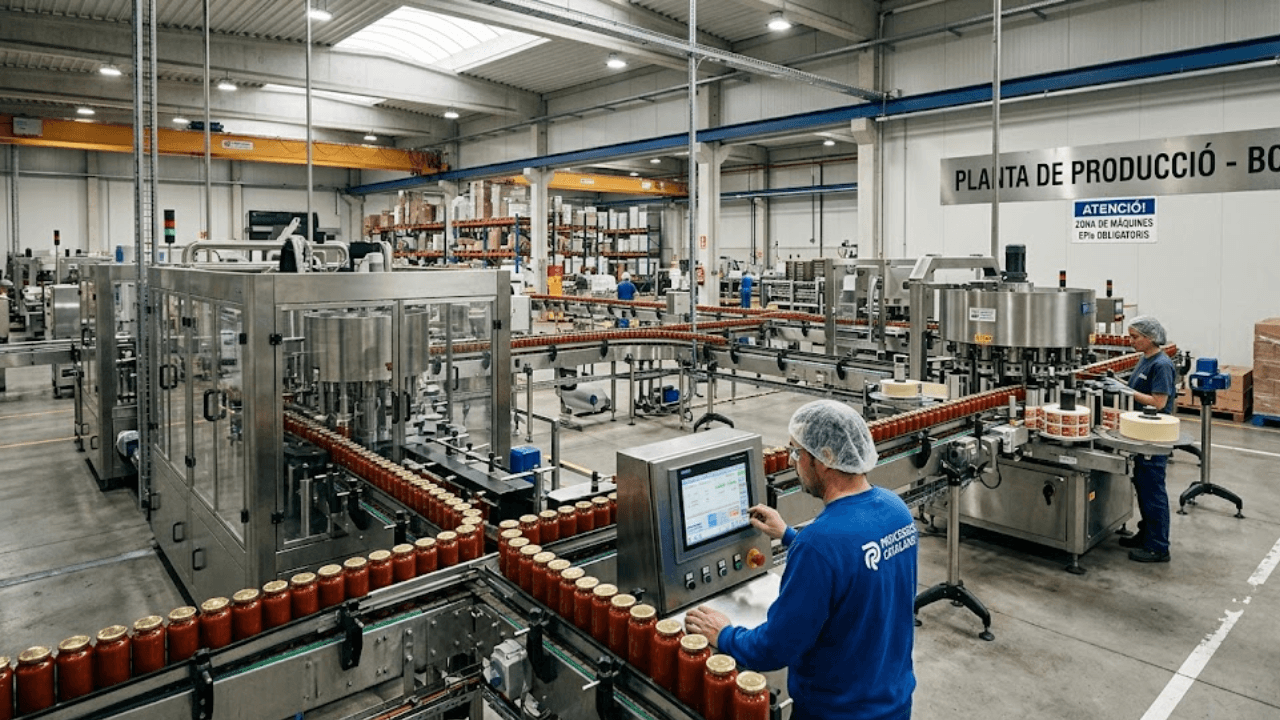
The plant is in Mataró and works in processing and assembly for customers in the Catalan manufacturing sector. Each area had chosen its own tool: logistics with a warehouse package, the shop floor with lists and job sheets, and the office with an ERP for orders and invoicing. For years that was enough, because the people who had been with the company longest knew the usual differences between screens and corrected them on the spot.
With more active part numbers and tighter deadlines, that leeway disappeared. What used to be settled with a call between colleagues began to take up managers' time every week. Management was not after a theoretical project. They wanted to stop making and shipping goods against figures that did not match.
When each department works with different data
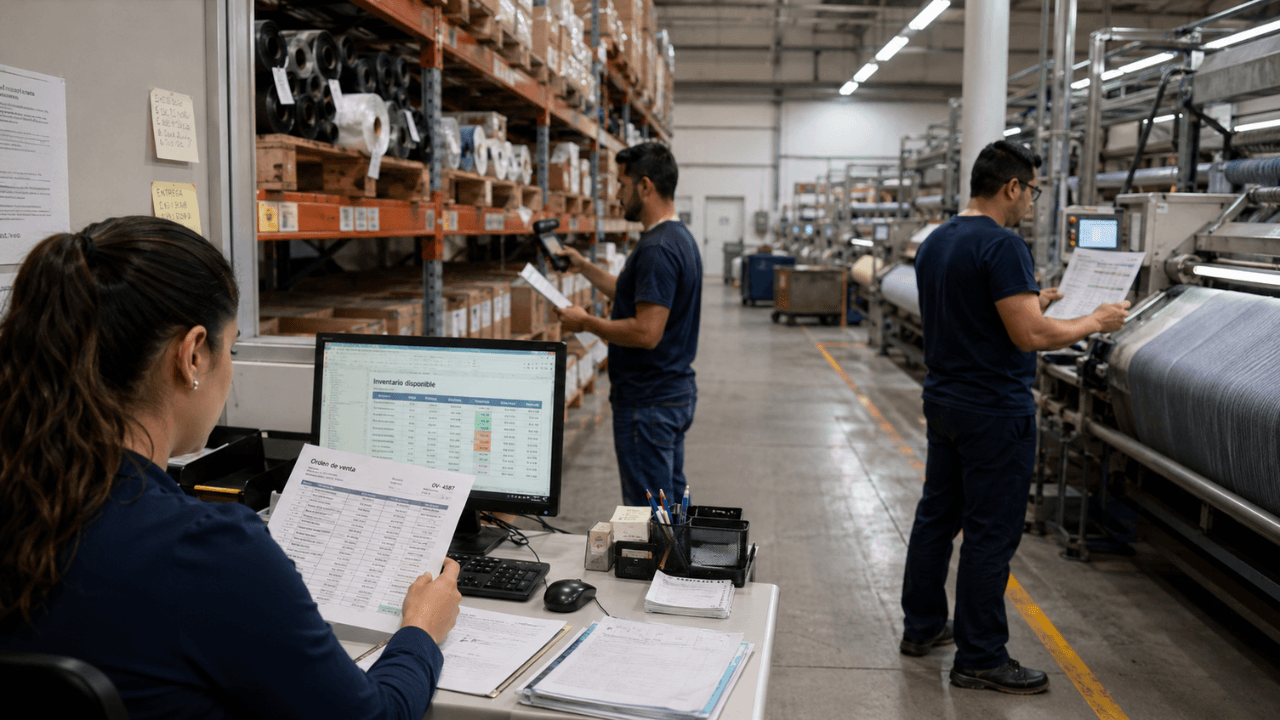
There was no single record of material. The warehouse logged receipts, issues and locations in its own package; the shop floor consumed material on the line and entered the data the next day; the office saw stock in the ERP hours or days later. On top of that, the same items carried different codes depending on the system, and units of measure were converted in different ways. Asking how much of a component was left could produce three different answers, depending on who was asked and when the figure had last been updated.
In practice, lines stopped for material that showed as available but was not on the shelf indicated. Reservations competed for the same stock, and dispatch preparations were based on quantities the shop floor had not confirmed. On Mondays, the warehouse, planning and workshop managers spent the morning reconciling numbers instead of organising the week. Sales promised lead times from ERP reports. The people preparing orders knew that the reality in the factory was different.
A single environment for warehouse, production and the office
The project did not start by replacing everything at once. A common data layer was agreed: a cleaned-up item master, consistent units, and clear rules for each movement (receipt, reservation, consumption, return, dispatch), recorded once and visible to the warehouse, the shop floor and the office according to role. Spreadsheets and paper job sheets stopped being the source of truth. They became a temporary fallback while the team adapted.
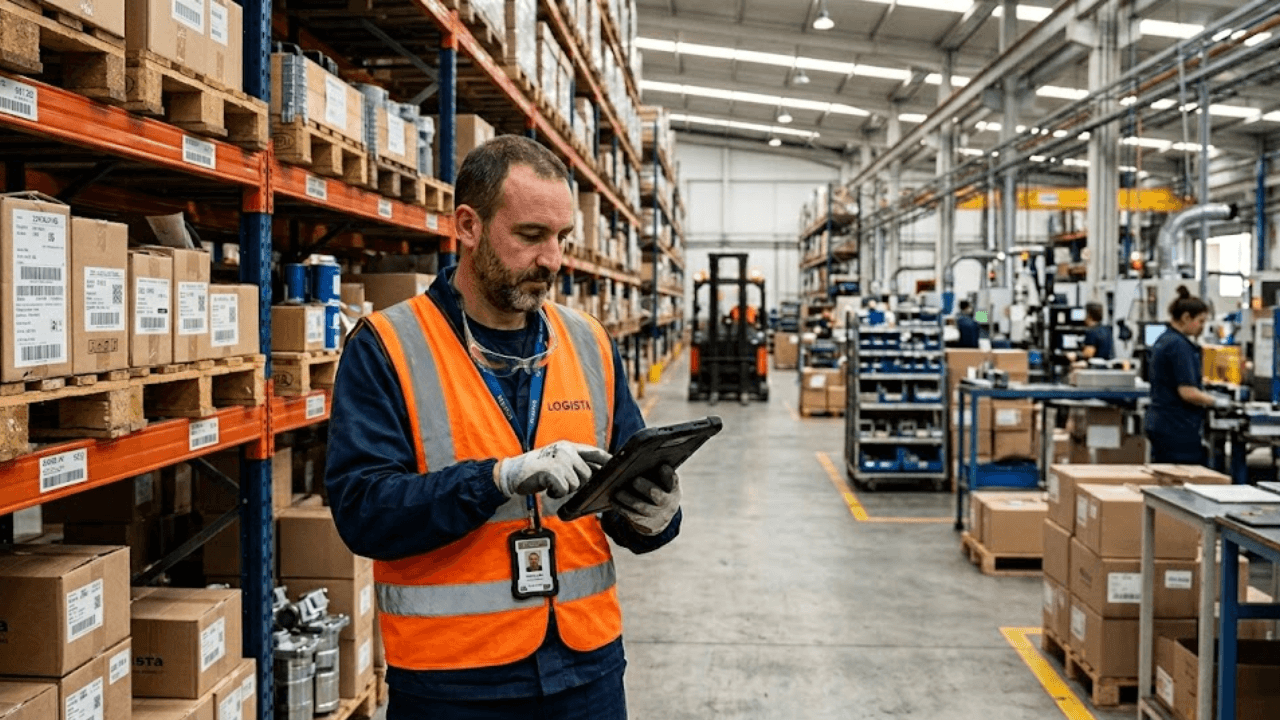
In the warehouse, picking was tied to the same stock that planning consults when it releases an order. On the shop floor, consumption is recorded at the moment of use, on simple terminals, without waiting for the overnight upload. Reservations by order stop the same material being allocated twice in ways that conflict. The ERP receives the movements from that unified layer for invoicing and accounts, so the accounts view and the workshop view come together without manual exports.
More control and less time lost
After a few months of stable use, the chronic discrepancies between warehouse and shop floor fell sharply. The stock that planning sees when it releases an order matches what the warehouse can pick, and consumption on the line reduces stock immediately. Reconciliation meetings went from compulsory and long to occasional reviews of exceptions. There were fewer stoppages for material that was not there, fewer incorrect preparations, and lead times given with greater reliability.
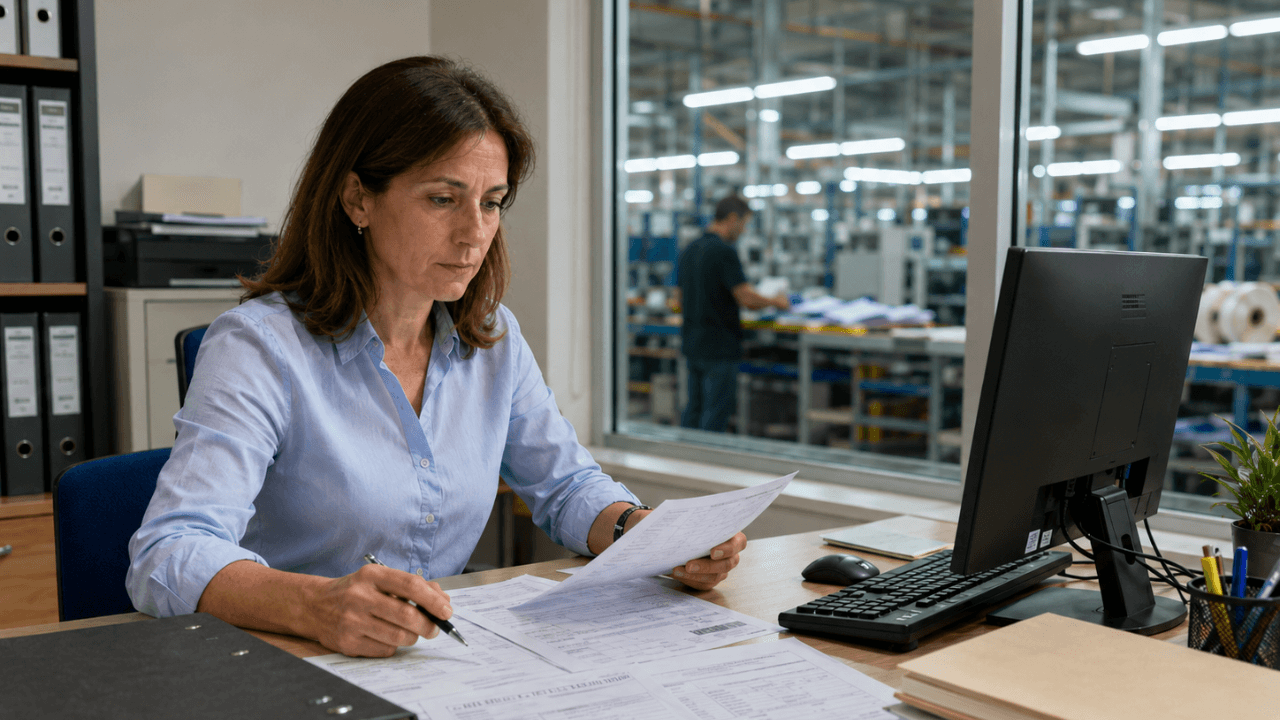
Accounts received movements that hung together, and could review product costs on the basis of actual consumption. The clearest change was internal: the warehouse and the shop floor stopped arguing over which number was the right one. Working from a single record is what makes it possible to fulfil orders without friction between what is physically there and what appears on screen.