A workshop that had grown on spreadsheets
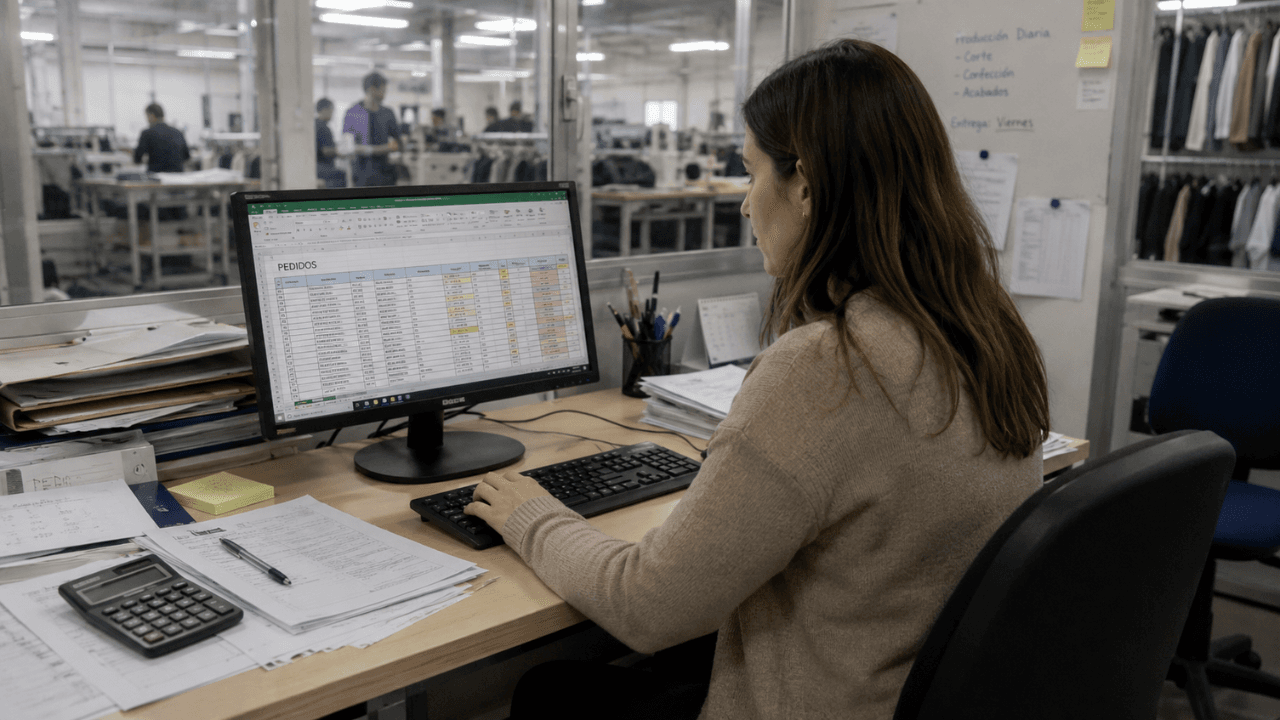
In a factory in the Barcelona metropolitan area, an industrial SME had spent more than a decade growing its activity with Excel as its main tool. Orders came in by email, by phone and through the occasional B2B portal. Material planning was split between macros, printed lists and notes on the workshop whiteboards. Each department had built its own method, because stopping production to redesign the processes was not a realistic option.
Over time, that flexibility turned into dependence. Discount rules by channel lived in three different files. Manufacturing orders were created by copying figures out of the accounting system by hand, because the planning module did not allow for last-minute changes or alternative part numbers. A generic package covered invoicing and accounts, but it never fully reflected how things were actually made in the factory.
Every patch added another file
Excel had stopped being an occasional support. It had become the place where the day-to-day figures lived: revised bills of materials, negotiated lead times, sequences by line, and subcontractor tracking. Every update of the accounting system put fragile macros at risk, and nobody had documented them. Managers in each area spent hours every week reconciling numbers that ought to have matched, and rarely did at the first attempt.
Rules that would not fit the package
Prices that mixed customer and product family, different minimums by channel, checks between departments before an order could be released: none of those rules fitted the standard flows. Every exception was handled with a manual patch (an email, a row added to a side table, a nightly export). With more orders in progress, those patches became the normal way of working.
What it cost to carry on
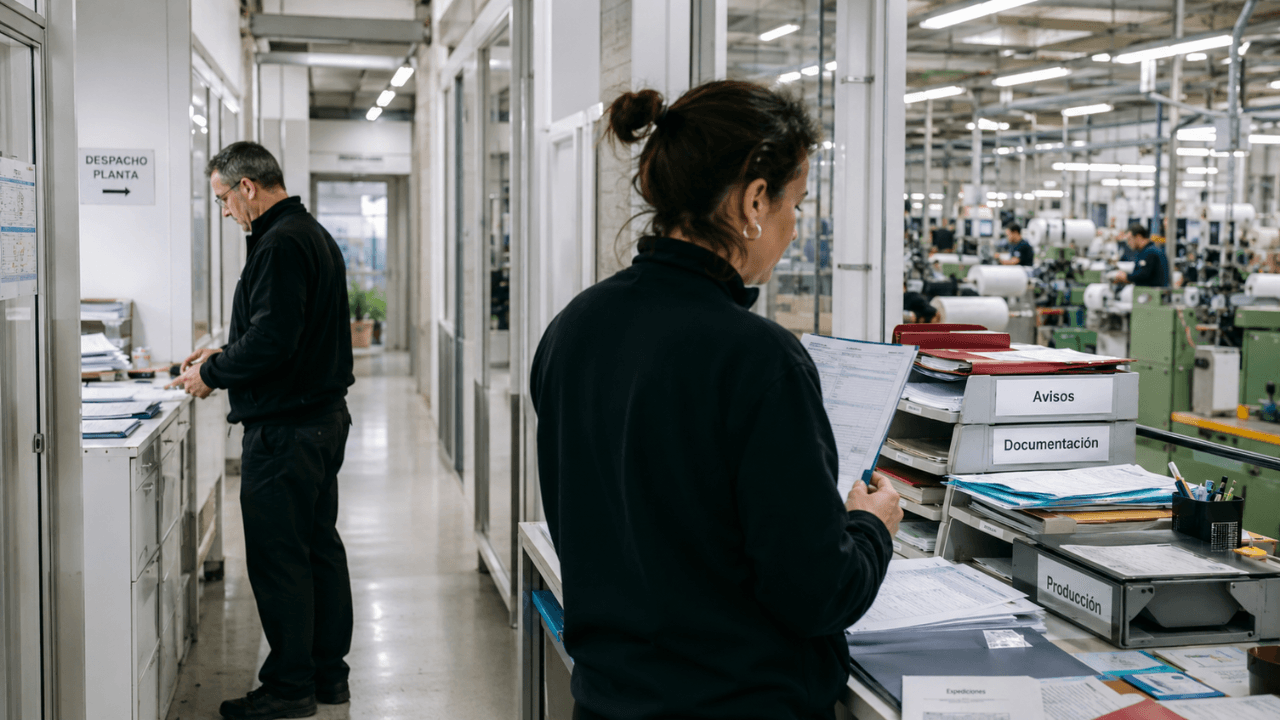
The consequences showed up in the workshop before they showed up in a management report. Orders were released late because stock still had to be confirmed on an out-of-date sheet. Jobs were made against an old version of the bill of materials. Invoicing was held up by gaps between what had been delivered and what had been recorded. On the shop floor, operators and supervisors went back to printed lists, or to the person everyone asks because they always know how things really stand.
Dependence on particular people (the one who maintained Excel, the one who understood the macros) became a continuity risk when they raised the idea of cutting their hours or retiring. Every question about profitability by part number took days of manual work. Carrying on with patches cost more than designing a solution aligned with how they actually manufactured. If several of these signs sound familiar, you can assess your own situation with our custom software guidance.
A system built for how they really manufactured
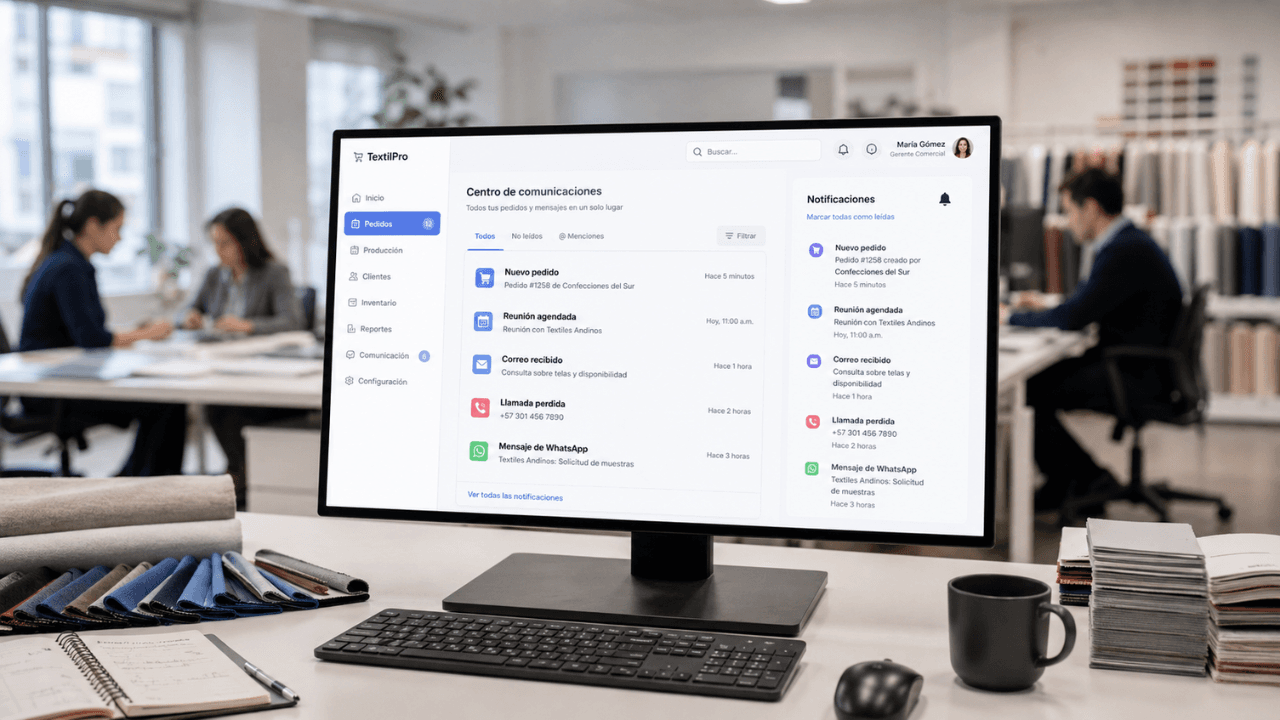
After a review of the processes, the company chose to build a custom platform that brought together the work where Excel and the accounting system fell short. The accounting system carried on with invoicing and statutory accounts. Planning, material tracking and traceability by order moved to custom software designed around the real flows of the workshop and of logistics.
A phased go-live, without stopping the factory
First, item and customer masters were brought into one place, so there was a single source of truth for stock and for open orders. Next, the price and lead-time rules that had lived in macros were moved across and written down in a form that could be audited. Last, the shop floor was connected through simple terminals, where the supervisor recorded progress, consumption and incidents without re-entering data that administration had already captured.
Within a few months of the full go-live, the time spent reconciling figures between departments fell markedly. Orders were released with bills of materials that agreed. Lead times given to customers were based on current information, and no longer on estimates crossed by hand. For the first time, management had a reliable view of orders in progress, actual consumption and variances against the plan. Knowledge that used to sit in macros was written into the rules of the software.